Steel Conduit Box Quality Guide | How to Evaluate High-Quality Metal Electrical Boxes
How to Evaluate the Quality of a Steel Conduit Box: A Practical Guide for Buyers and Contractors
Choosing a high-quality steel conduit box is essential for building a safe and reliable electrical installation. Although steel boxes may look similar from the outside, the internal quality, material consistency, and manufacturing standards can vary significantly from one supplier to another. Poor-quality boxes can lead to loose connections, wiring damage, corrosion, or even failed inspections—issues that can create unnecessary cost and safety risks. This guide explains the key factors that engineers, electrical contractors, and distributors should examine to determine whether a steel conduit box meets professional standards.
1. Material Quality and Steel Coating
The foundation of a good steel conduit box is the steel itself. High-quality boxes use galvanized steel with a uniform zinc coating. This coating prevents rust, increases service life, and protects the box in humid or corrosive environments.
What to look for:
consistent zinc coating
no discoloration or bare spots
steel that does not bend or deform easily
smooth, even surface
Inferior material often appears thin, uneven, or has weak sections that can collapse during installation.
For certain steel conduit boxes ALEX even offers Hot Dip Galvanized type to increase the prevention for rust and increase the service life. For example, the Steel box that we send to Chile market, we even have HDG type for that.
2. Dimensional Accuracy and Overall Shape
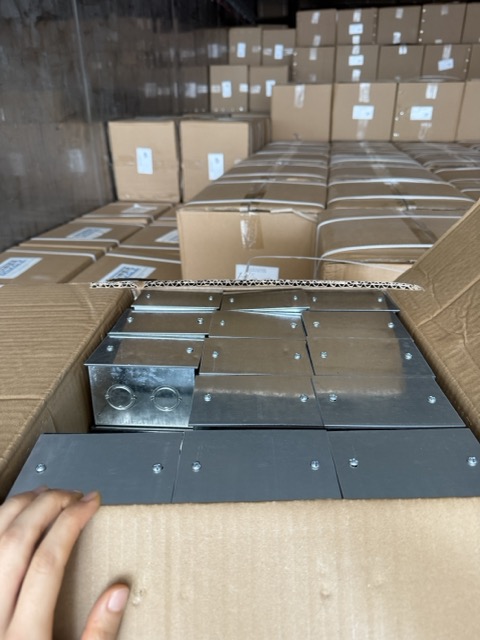
Precision in dimensions ensures that the box works properly with EMT, IMC, and Rigid conduit fittings. A top-quality metal electrical box will have:
perfectly square corners
straight sides
consistent depth and internal volume
aligned mounting holes
accurate knockout positions
Boxes with uneven edges or misshaped bodies will cause alignment problems, making installation slower and less secure.
We remember the there is one time when we do the quality check before the shippment, we cannot place our switch panel into the steel conduit box, and that is a big problem. That means if we send that products to our customer they cannot use them and also waste their time. So after that ALEX has a very strict rules about all the dimensional for the steel box and strickly follows the national standard.
3. Knockout Quality and Edge Finishing
Knockouts are one of the best indicators of manufacturing quality. A good knockout should:
be cleanly punched
remove easily with firm but normal force
leave no sharp edges or burrs
match standard conduit connector sizes
Sharp or poorly punched knockouts can damage wire insulation or fail during installation. Smooth edges inside and outside the box also prevent conductor injury and ensure compliance with electrical safety codes.
4. Structural Strength, Rigidity and thickness
A high-quality steel box must be rigid enough to maintain its shape under pressure. When evaluating rigidity:
press lightly on the sides—good boxes will not flex
check that the base is firm and not wavy
ensure the box does not twist when mounting screws are tightened
Rigid structure is essential for supporting switches, outlets, lighting fixtures, or conduit systems without loosening over time.
This is a very easy way to evaluate the quality of the steel box, its the thickness of the steel. Some common thickness is 1.0mm, 1.2mm, 1.5mm, and 1.6mm. The thicker the steel means the better the quality, because your conduit box will be stronger and will not change the structure easily. But it also become more expensive as the thickness increase.
5. Screw Holes, Device Ears, and Mounting Features
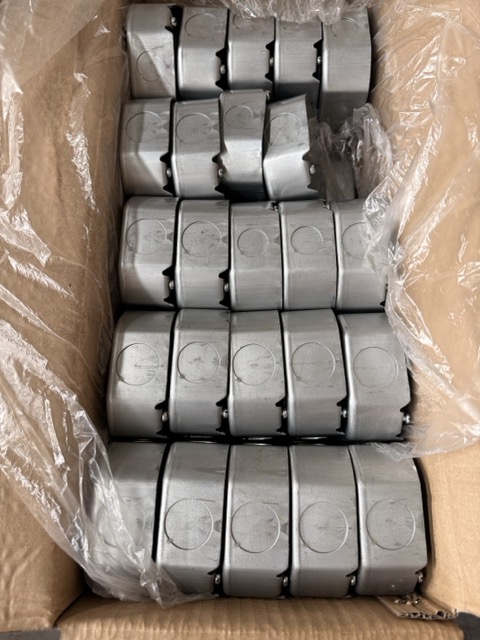
The small details make a big difference. High-quality steel conduit boxes include:
screw holes that align perfectly with standard device screws
strong device ears that do not bend under pressure
mounting brackets that are firmly attached
threaded holes that do not strip easily
These structural features ensure that devices, plates, and conduit fittings mount securely.
6. Consistency Across Each Batch
A professional manufacturer maintains stable quality across every production batch. You should expect:
the same material thickness for every box
consistent weight
identical coating quality
knockouts and screw holes in the same position for every piece
Batch consistency reduces installation problems and improves the efficiency of large-scale projects.
7. Packaging, Labeling, and Protection During Transport
Quality does not end at production. Good packaging prevents deformation, scratches, and rust during storage and shipping. Check for:
strong carton boxes
clear labeling with model numbers and sizes
protection layers or separators between boxes
stable palletizing for export shipments
Proper packaging reduces loss rates and ensures the boxes arrive in perfect condition.
8. Compliance With Industry Standards
A reliable steel conduit box should comply with recognized codes and standards such as:
ANSI / NEMA requirements
Local electrical codes and fire-safety rules
Compliance ensures the box has been designed with safety, durability, and performance in mind.
Conclusion
Knowing how to evaluate the quality of a steel conduit box helps buyers and contractors avoid installation problems, reduce maintenance costs, and ensure long-term safety. By inspecting materials, dimensions, knockouts, rigidity, finishing, and standard compliance, it becomes easy to distinguish between low-quality products and professional-grade steel boxes designed for commercial and industrial electrical systems. Choosing a trustworthy manufacturer gives project owners and distributors confidence that every box they purchase will perform reliably under real-world conditions.
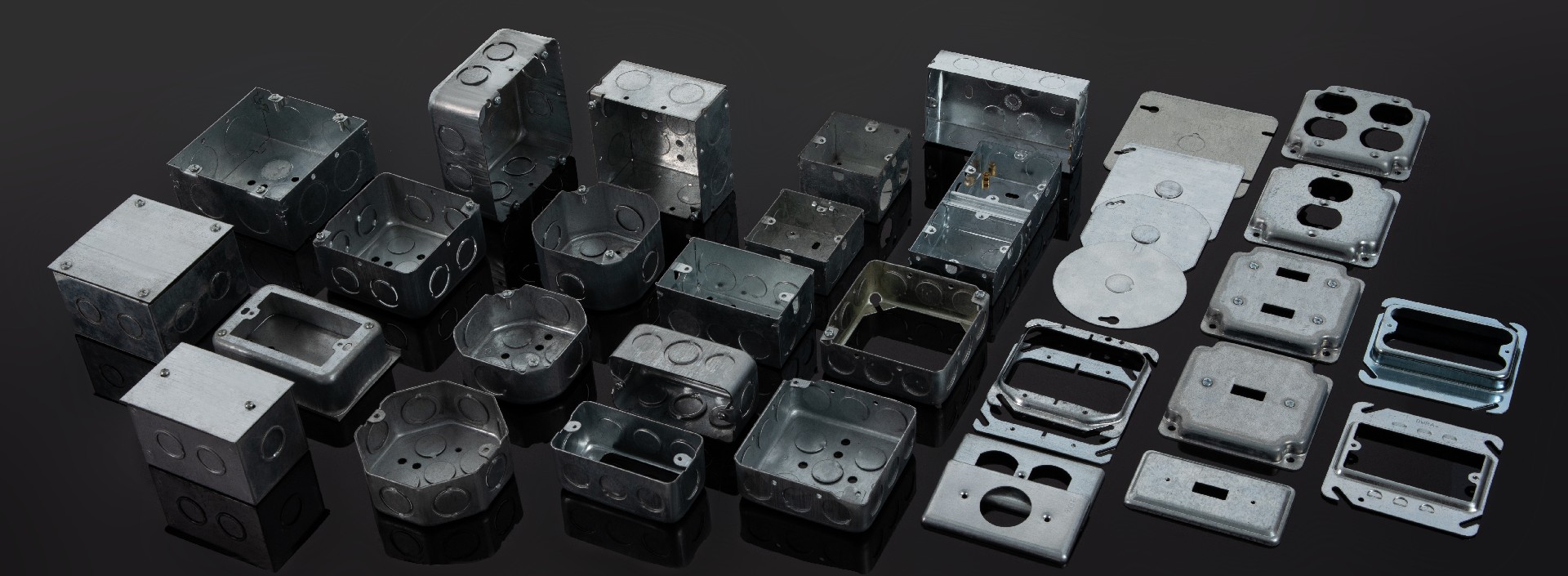
ALEX also offers a comprehensive products related EMT CONDUIT,RIGID CONDUIT,IMC CONDUIT, CONDUIT BOX,CONDUIT BODY, STEEL FLEXIBLE CONDUIT, ALEX EMT CONNECTORS - SET SCREW TYPE (ZINC),ALEX EMT COUPLINGS - SET SCREW TYPE (ZINC), STRUT CHANNEL.