EMT vs Rigid Conduit: A Complete Guide for Engineers, Contractors, and Buyers
EMT vs Rigid Conduit: A Complete Guide for Engineers, Contractors, and Buyers
1. Introduction
Electrical conduits play a critical role in protecting wiring systems in modern buildings and infrastructure. Among all conduit types, Electrical Metallic Tubings (EMT)
and Rigid Metal Conduit(RMC) are the two most widely used. Although both provide mechanical protection for conductors, they differ significantly in strength, durability, corrosion resistance, cost, and installation requirements.
This guide explains the key differences between EMT and rigid conduit, clarifies their typical applications, and highlights important industry compliance considerations. It also includes insights from 20 years of manufacturing experience at ALEX, helping contractors, distributors, and engineers make informed decisions for their projects.
2. What Is EMT Conduit?
2.1 Definition
Electrical Metallic Tubing (EMT) is a thin-walled, unthreaded steel raceway used to protect and route electrical wiring systems. EMT is typically made from:
Steel (ferrous) with protective zinc coatings
Aluminum (nonferrous) for lightweight applications
Standard EMT length is 3.05 m (10 ft) with a tolerance of ±6.35 mm.
2.2 Key Characteristics of EMT
Temperature Rating
Standard EMT operates between –10°C to 60°C (14°F to 140°F). Some enhanced versions perform down to –30°C depending on the steel grade and coating.
Compression Strength
EMT provides adequate mechanical protection but is less rigid than RMC and IMC. It is designed for normal commercial, industrial, and residential environments.
Combustibility
Steel and aluminum EMT are non-combustible. Aluminum melts at 600–660°C but does not burn. EMT can, however, deform at extremely high temperatures.
UV and Outdoor Exposure
Standard EMT has a corrosion-resistant coating but is not inherently UV-resistant. For outdoor or rooftop applications, additional coatings, painting, or PVC-coated options are recommended.
3. EMT Sizes and Industry Color Standards
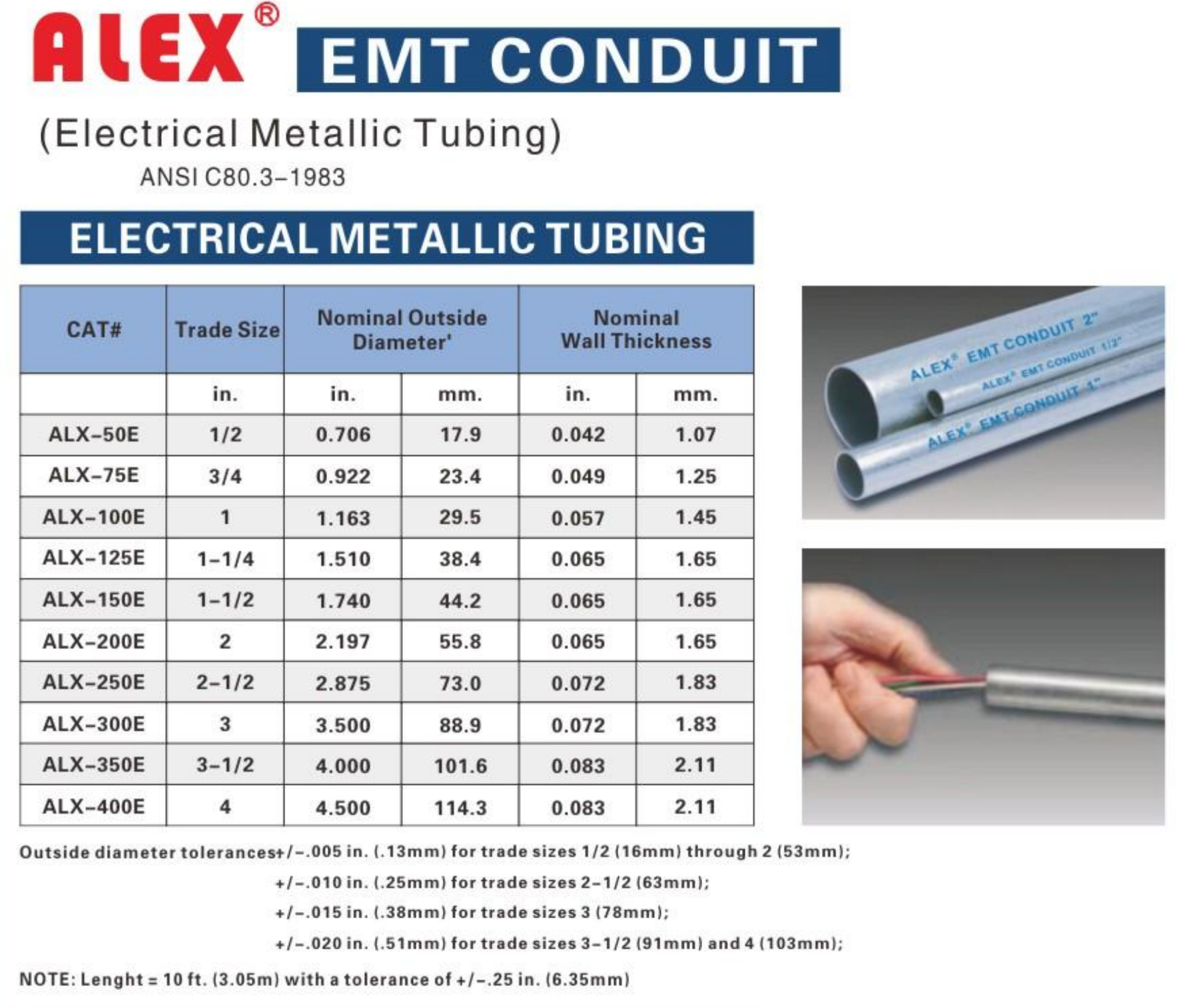
3.1 EMT Sizes
EMT sizing follows NEC and UL standards, including:
1/2 inch
3/4 inch
1 inch
1-1/4 inch
1-1/2 inch
2 inch
2-1/2 inch
3 inch
4 inch
(At ALEX/Times: available from 1/2 inch to 4 inch, with both Pre-Galvanized and Hot-Dip Galvanized options.)
The outside diameter and minimum wall thickness must meet applicable UL and IEC tables.
3.2 Color Standards
There is no official NEC or UL color code for EMT EMT CONDUIT.
However, many facilities adopt internal color guidelines. Examples include:
| Color | Typical Use |
|---|---|
| Red | Fire alarm systems |
| Blue | Low-voltage / data |
| Orange | Communication |
| Green | Isolated ground |
| Yellow | Security systems |
| Black | General power |
Colors are project-driven, not code-mandated.
4. Where EMT Can and Cannot Be Used
4.1 Permitted Uses (NEC Compliant)
EMT is allowed in:
Exposed and concealed locations
Suitable for walls, ceilings, and open-ceiling designs.
Wet locations
If supports, straps, and fittings are corrosion-resistant.
Concrete or earth contact
If proper corrosion protection is applied and approved.
4.2 Prohibited or Restricted Uses
Not suitable for areas exposed to severe physical damage
Not recommended in highly corrosive environments without extra coating
Not allowed in hazardous (classified) locations unless permitted by NEC
Cannot support luminaires or equipment (except conduit bodies)
Avoid galvanic corrosion by preventing direct contact between dissimilar metals in corrosive environments.
5. Advantages of EMT Conduit
5.1 Cost-Effective
EMT is more economical than IMC and RMC due to its thinner wall and simpler forming process.
Ideal for large projects requiring cost control.
5.2 Easy Installation
Lightweight, easy to handle, cut, and bend with standard tools.
This reduces installation time and labor cost.
5.3 Flexibility and Bendability
Can be bent around obstacles or routed creatively in complex layouts.
Suitable for smart buildings, commercial spaces, and open ceilings.
5.4 Clean Aesthetic
Smooth and uniform steel finish makes it visually appealing for exposed installations.
5.5 Broad Application Range
Used in:
Residential buildings
Office and commercial spaces
Industrial plants
Schools and hospitals
Smart and energy-efficient buildings
6. Limitations of EMT Conduit
6.1 Lower Corrosion Resistance
Standard EMT is not ideal for highly corrosive or marine environments unless specially coated.
6.2 Less Mechanical Protection
Not as strong as IMC or RMC.
Avoid heavy-impact or high-traffic industrial zones.
6.3 Not for High-Voltage Systems
Best for low- to medium-voltage applications.
6.4 Requires Proper Support
Improperly supported EMT can sag or deform.
6.5 No Electrical Insulation
Provides mechanical protection only; insulation depends on the conductors inside.
7. EMT vs Rigid Conduit (Comparison Table)
| Feature | EMT | Rigid Metal Conduit (RMC) |
|---|---|---|
| Wall Thickness | Thin | Thick |
| Strength | Medium | Very High |
| Corrosion Resistance | Medium | Highest |
| Cost | Low | High |
| Weight | Light | Heavy |
| Installation Speed | Fast | Slow |
| Bendability | Easy | Difficult |
| Best Use | Commercial/Indoor | Industrial/Outdoor/Harsh environments |
8. Why Choose EMT from Hangzhou Times (ALEX)?
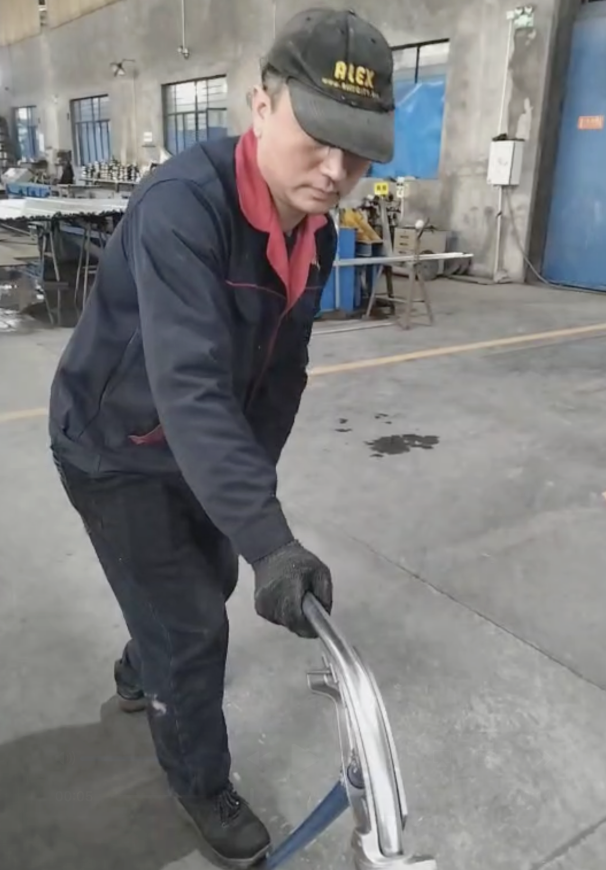
8.1 Superior Ductility for Bending
Our EMT is manufactured with soft-quality steel, allowing it to be bent from both the top and bottom without cracking. This is a major advantage for installers.
This is our competitive advantage for our EMT conduit. We GUARANTEE our conduit can be bend.
Our EMT conduit has the best bendability performance in China.
A Comprehensive Guide to Bending EMT Conduit
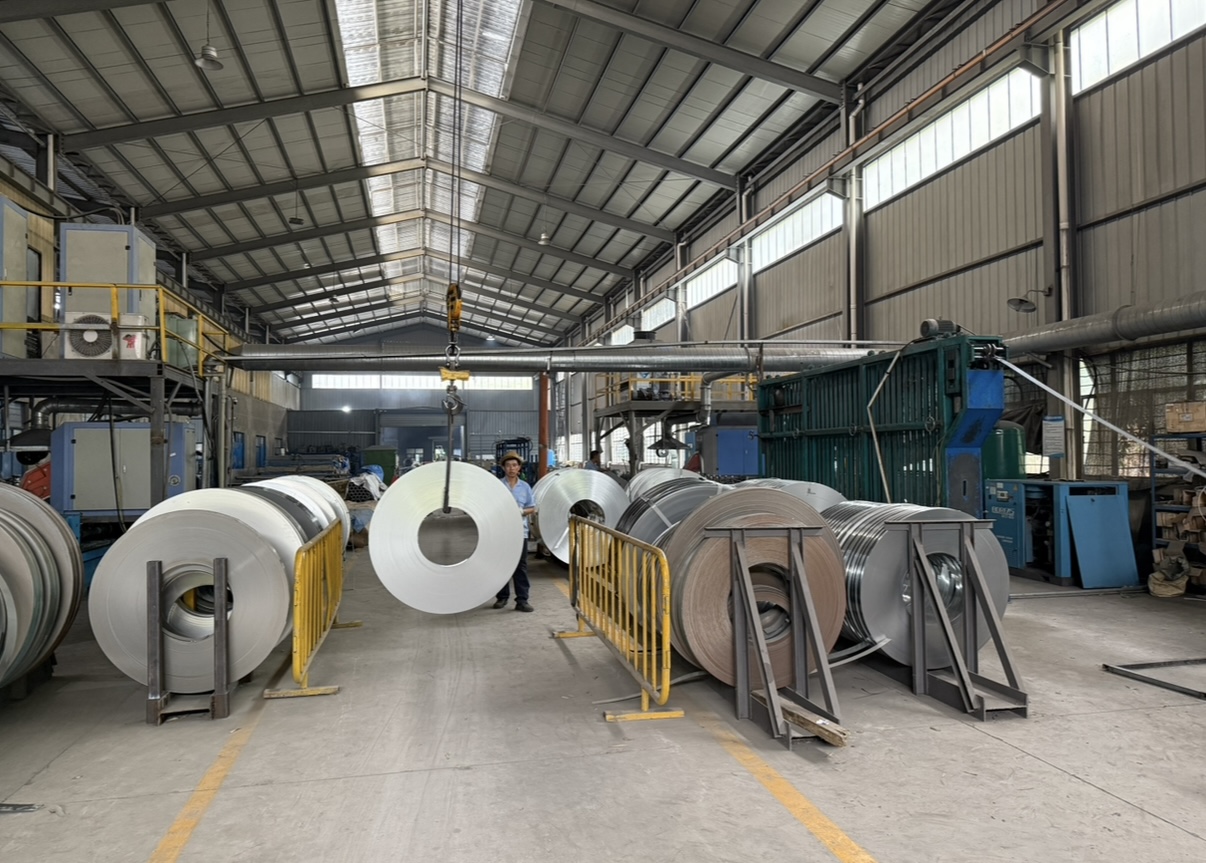
8.2 In-House Production—from Steel to Finished Conduit
See more ALEX factory pictures
We control the entire process:
Steel slitting
Tube forming
Annealing
Hot-dip galvanizing or pre-galvanizing
Coupling production
Accessories (connectors, couplings, straps)
Full in-house production = consistent quality + lower cost.
8.3 Strict Quality Control
Each EMT pipe is tested for:
Weld seam integrity
Zinc coating thickness
Bending performance
Dimensional accuracy
Surface finish
8.4 Export Expertise for over 20 years
We supply EMT to:
IEC 61386 CHILE MARKET , Peru, Colombia, Mexico
USA, Canada
UAE, Saudi Arabia
Southeast Asia
Your brand is trusted globally.
9. Conclusion
EMT is a versatile, cost-effective, and widely used electrical raceway ideal for commercial, industrial, and residential applications. Understanding the differences between EMT and rigid conduit helps ensure safe, compliant, and durable installations.
For contractors, distributors, or project engineers looking for reliable EMT conduit with stable quality and competitive pricing, Hangzhou Times (ALEX) offers a full solution from 1/2 inch to 4 inch, including accessories and OEM branding.
10. Call to Action — Connect with Confidence
Looking for a trusted EMT supplier?
Full size range 1/2″–4″
OEM branding available
Pre-Galvanized and Hot-Dip Galvanized options
Couplings, connectors, elbows included
Free samples for qualified customers
Welcome to visit our ALEX factory at any day except Sunday! "Hangzhou Francis Conduit Industries Co., Ltd"
Contact us today to get your quotation or request samples.
Your professional EMT manufacturer.
ALEX® specializes in manufacturing high-quality Electrical Metallic Tubing (EMT) and Intermediate Metal Conduit (IMC) for engineering, construction, and electrical distribution projects in South American, Peru, Mexico, Colombia, and global markets. Our product range includes EMT steel pipe 1/2"–4", EMT tubing, ANSI 80.3 steel conduit, galvanized IMC tubería, and a complete set of electrical fittings and accessories.
With advanced production lines, strict quality control, and more than 20 years of industry experience, ALEX® provides reliable conduit systems designed for commercial, industrial, and residential installations. Whether you need EMT pipe for general wiring protection or heavier-duty IMC tubing for mechanical strength, we offer stable quality, competitive pricing, OEM branding options, and flexible delivery schedules for distributors and contractors across the Americas.